
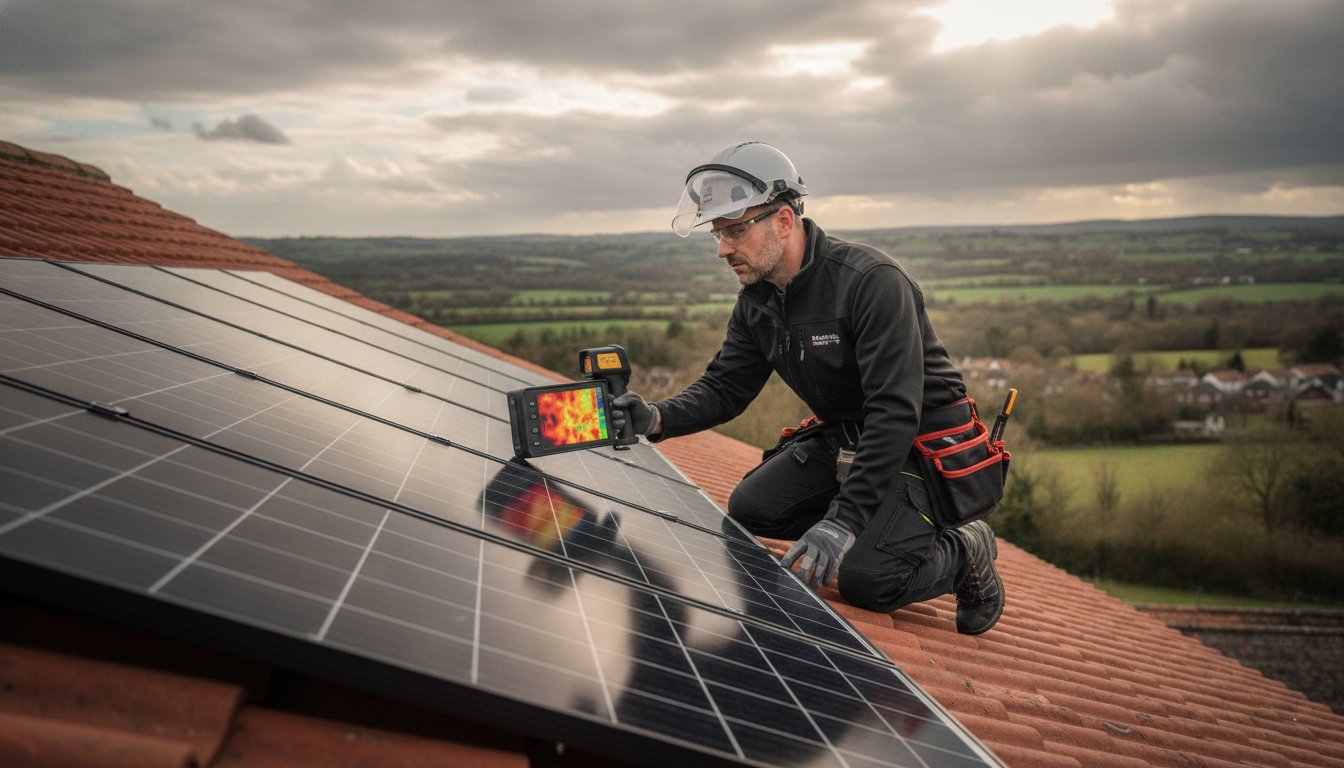
Could a tiny, invisible crack on your roof be the reason your electricity bills are quietly climbing back to pre-solar levels? You've invested in green energy to protect your wallet and the planet, so it's incredibly frustrating when your monthly savings start to vanish. It's tempting to blame the persistent British clouds for a dip in output, but the problem might be more physical than atmospheric. Identifying the specific signs of solar panel damage UK weather and local wildlife can cause is the only way to prevent a minor issue from becoming a total system shutdown.
We understand that you want peace of mind knowing your home is safe and your investment is performing as it should. This guide will help you spot the difference between a dirty panel and a dangerous electrical fault before it compromises your energy independence. We'll walk through seven critical warning signs, from subtle performance drops to visible structural wear. You'll also learn whether your issues stem from nesting pests or the damp Midlands climate, and exactly how to restore your system's health here in Staffordshire.
Key Takeaways
- Learn how to identify physical defects like "snail trails" and delamination before they lead to total cell failure.
- Discover how to use your monitoring data to spot the subtle signs of solar panel damage UK homeowners often miss, such as unexplained dips in daily generation.
- Understand how local weather conditions, including high winds and ice damming, can compromise your system's structural integrity and mounting brackets.
- Recognize why delaying repairs increases the risk of localized hotspots, potential fire hazards, and secondary damage to your roof's waterproofing.
- Find out why professional thermal imaging and expert health checks are essential for detecting hidden electrical faults that aren't visible to the naked eye.
Visual Indicators of Physical Solar Panel Damage
Spotting physical defects is the first step in protecting your energy investment. While modern panels are built to withstand heavy weather, the specific signs of solar panel damage UK homeowners encounter often start as subtle visual changes. Ignoring these early warnings can lead to a significant drop in efficiency or, in extreme cases, dangerous electrical hazards. Identifying these signs of solar panel damage UK weather creates is much easier after a professional cleaning, which removes the grime that masks subtle defects.
Cracks, Chips, and Surface Abrasions
There's a vital difference between a superficial surface scratch and a structural micro-crack. Surface scratches, often caused by wind-blown grit or improper cleaning, usually don't impact performance. However, micro-cracks are deep fractures within the silicon cell itself. In Staffordshire, our temperatures fluctuate frequently; this constant cycle of freezing and thawing causes materials to expand and contract. This process forces small chips to grow into larger fissures. Once a crack is deep enough, it allows moisture to enter the panel, which can cause electrical arcing and potentially lead to a fire.
Discolouration and Internal Cell Browning
One of the most overlooked visual cues is the appearance of "snail trails." These are thin, dark, wiggly lines that look like a garden pest has crawled across the panel surface. Some sources suggest these are merely aesthetic, but they actually indicate microscopic cracks where moisture has reacted with the silver paste in the cell. These trails are a major indicator of solar panel degradation factors that will eventually lead to total cell failure if left unaddressed.
You should also look for localized browning or yellowing of the EVA (ethylene-vinyl acetate) film. This discolouration is often caused by "hot spots," which are patches of intense heat resulting from internal short circuits or shaded cells. If you see dark burn marks on the front or back of the panel, the system is likely suffering from significant internal damage. Delamination is the process where the protective bond between the glass and the solar cells begins to peel or bubble, which eventually allows air and water to corrode internal components and shortens the system's lifespan.
When inspecting your roof from the ground with binoculars, keep a checklist of these physical indicators:
- Glass Integrity: Check for "spider-web" patterns which suggest heavy impact from hail or debris.
- Frame Gaps: Look for spaces between the glass and the metal frame where seals might have failed.
- Browning: Identify any patches that look "toasted" compared to the rest of the dark blue or black cells.
Performance Signs: Using Data to Detect Hidden Issues
While visual inspections are important, your monitoring app is often the first place you'll see the signs of solar panel damage UK weather or component wear causes. In 2026, we no longer rely on checking a manual generation meter once a month. Real-time data allows you to distinguish between a cloudy day in the Midlands and a genuine technical fault. If your daily production graphs look "noisy" or inconsistent compared to your historical data for the same month, your system is likely struggling with an internal issue.
Sudden drops in energy generation usually indicate a significant failure, such as a shattered panel or a blown fuse. Conversely, a gradual decline over several months might point to the "snail trails" or delamination discussed in the previous section. By comparing your July 2026 yield against your July 2025 data, you can account for seasonal variations and isolate performance trends that suggest physical degradation. Look for erratic "clipping" in your daily graph; while some clipping is normal on peak summer days, jagged lines during clear weather suggest your system is hitting resistance from damaged cells.
Inverter Error Codes and Communication Failures
Error messages on your display or app don't always mean the inverter is broken. Often, these alerts point directly to DC string issues caused by damaged panels. An "earth leakage" or "isolation fault" alert is a common red flag. It frequently signals that water has entered a panel through a micro-crack or that cable insulation has perished, creating a safety risk. For more detail on interpreting these signals, see our guide on Inverter Upgrades in Staffordshire to understand how modern hardware handles these diagnostic challenges.
Voltage Fluctuations and String Imbalance
Most residential systems use "string" inverters, where panels are linked like Christmas tree lights. If one panel is damaged by a "hot spot" or heavy impact, it creates a bottleneck that drags down the performance of every other panel in that string. You can use tools like the GivEnergy Cloud to spot these imbalances by reviewing your voltage history. If your voltage levels are fluctuating wildly while the sun is steady, it's a clear sign of internal resistance. If your monitoring app shows these anomalies, booking a professional system health check can prevent small faults from becoming expensive system-wide failures.
UK-Specific External Causes of Damage
While internal cell failure is a major concern, the unique British environment presents its own set of challenges. Understanding the signs of solar panel damage UK weather patterns trigger helps you act before a storm turns a loose bolt into a detached panel. High winds across Staffordshire often place immense mechanical stress on mounting systems. If you hear rattling sounds during a gale, your brackets may have loosened, which can eventually lead to warped frames or even panels lifting from the roof.
Winter brings the specific risk of 'ice damming'. This occurs when snow melts and refreezes at the edge of the panel frame, putting intense pressure on the glass seals. Over time, this cycle forces the seals apart, leading to the delamination and moisture ingress mentioned earlier. For homeowners near the coast, salt spray is a relentless corrosive force that eats away at aluminium frames and electrical connectors. Even in inland Staffordshire, our damp climate encourages lichen and moss growth. These aren't just aesthetic issues; they act as silent performance killers by creating permanent shading and trapping moisture against the glass surface.
These environmental factors are just as relevant for mobile solar installations; for those who travel, LeisureVan Service Solutions offers specialist maintenance for motorhomes and caravans to protect your equipment from the elements while on the road.
Pigeon and Pest Interference
Pigeons are drawn to the sheltered, warm micro-climate beneath your panels. Their nesting materials don't just create a mess; they trap heat and moisture against the underside of the panels, which can lead to premature degradation. You should look for debris sticking out from the edges or an increase in bird activity around your roofline. Squirrels and rats are also significant threats. They often chew through exposed DC wiring or scratch the protective backsheets, creating a high risk of electrical faults. Professional bird proofing is an essential step to prevent these pests from causing long-term structural harm to your system.
Debris Build-up and 'Cementation'
Pollution, dust, and organic matter don't always wash away with the rain. Instead, they can form a hard film known as cementation, which can actually hide physical cracks from a ground-level inspection. One of the most dangerous forms of debris is bird guano. Because it's highly opaque and stubborn, it creates localized shading on specific cells. This forces those cells to consume power rather than produce it, leading to the intense 'hot spots' that cause internal browning and permanent damage. Regular Solar Panel Maintenance in Staffordshire ensures these patches are removed professionally before they lead to a system failure.

The Risks of Delaying Solar Panel Repairs
Leaving a damaged panel on your roof is a gamble that rarely pays off. While it's easy to dismiss a small crack as a cosmetic issue, the physical signs of solar panel damage UK residents notice are often just the tip of the iceberg. Beyond the loss of green energy, the primary danger lies in how these defects compromise your home's structural and electrical safety. A shifted panel or a loose mounting bracket doesn't just reduce output; it can physically damage your roof tiles, leading to water leaks that are far more expensive to fix than the solar system itself.
There's also the financial sting of lost earnings. In 2026, a typical 4kWp system can earn between £150 and £400 per year through the Smart Export Guarantee (SEG). If damage goes unrepaired, you aren't just losing that income; you also risk voiding your manufacturer's warranty. Most policies require you to maintain the system in good working order, and ignoring visible faults can give providers a reason to reject future claims. Acting early preserves both your equipment cover and your annual revenue.
Electrical Safety and Arcing
The most serious risk of ignoring damaged cells is DC arcing. Unlike the AC electricity in your wall sockets, DC current from solar panels doesn't have a "zero crossing." This means that once an electrical arc starts, it's incredibly difficult to stop, making it the leading cause of solar-related fires. When moisture enters a cracked panel, it creates a ground fault that can trigger these intense bursts of heat. Ensuring your system is checked by an installer with NICEIC certification is the only way to verify that your electrical insulation remains intact and safe.
System Efficiency and ROI Protection
A seemingly minor 10% drop in efficiency might not feel like much today, but it compounds significantly over the remaining 15 to 20 years of your system's lifespan. For homeowners with older 250W or 300W panels, the question often becomes whether to repair or upgrade to modern, high-efficiency modules. Neglecting panel health also puts a strain on your Solar Battery Storage. Erratic charging cycles caused by fluctuating panel output can degrade battery cells prematurely, shortening the life of your most expensive component. If you suspect your system is underperforming, booking a professional solar panel technical inspection is the most effective way to safeguard your long-term ROI.
Professional Diagnostics and Repair in Staffordshire
While binoculars can help you spot obvious cracks, many signs of solar panel damage UK homeowners face are invisible to the naked eye. Professional diagnostics go beyond a simple visual check. We use specialized thermal imaging cameras to detect internal "hot spots" where cells are overheating due to internal short circuits or micro-cracks. These temperature anomalies often appear long before a complete system failure, allowing for targeted repairs rather than a full array replacement. Identifying these invisible faults early is the only way to prevent the "cascading failure" that can lead to a total system shutdown.
If your system was damaged during a Staffordshire storm, navigating an insurance claim can be complex. A formal technical inspection report from an NICEIC-certified installer provides the evidence needed for a successful claim. We assist homeowners by providing detailed documentation, including high-resolution thermal images and electrical test results that prove the extent of storm or accidental damage. Implementing a long-term maintenance contract is a proactive way to ensure your system remains in peak condition. Regular health checks often identify wear and tear before it voids your manufacturer's warranty, protecting your investment for the long haul.
When to Call a Professional Installer
Don't climb onto your roof to inspect the panels yourself. High-voltage DC strings and steep inclines make DIY inspections incredibly dangerous. Before an engineer arrives, have your monitoring data and original installation dates ready. This helps us cross-reference your current performance against historical trends. For many Staffordshire residents, fixed-price maintenance and repair contracts offer the best value. They provide predictable costs for annual health checks and ensure that any signs of solar panel damage UK weather might cause are caught during a routine visit rather than an emergency call-out.
MarGav Solar’s Maintenance Solutions
With over 20 years of industry expertise, the MarGav Solar team provides comprehensive technical testing and cleaning services across Staffordshire. We don't just wash away the grime; we perform a full electrical health check to ensure every component is safe. Our technical inspection includes testing open-circuit voltage and short-circuit current to verify that every panel meets its rated output. This rigorous approach identifies underperforming modules that a simple visual check would miss.
Professional cleaning is a critical part of our process. Removing the "cementation" layer of pollution and dust often reveals hidden physical cracks or browning that were previously obscured. We also offer specialized bird proofing and wiring protection to prevent the pest-related damage discussed earlier from recurring. If you've noticed a drop in your energy savings or your app is showing error codes, contact our local Staffordshire team for a professional consultation and system health check. We'll ensure your residential solar PV system continues to deliver maximum energy savings safely.
Protect Your Energy Investment for the Long Term
Your solar system is one of the most valuable assets on your property. While the British weather and local wildlife present unique challenges, staying vigilant about physical changes and monitoring your generation data ensures your investment continues to pay off. Identifying the signs of solar panel damage UK weather can cause, from subtle micro-cracks to storm-related mounting issues, is the only way to prevent minor faults from escalating into dangerous electrical hazards or expensive roof leaks.
Don't let hidden defects compromise your home's safety or your monthly energy savings. Our NICEIC-certified experts bring over 20 years of Staffordshire solar experience to every inspection. We offer comprehensive maintenance and repair warranties, giving you total peace of mind that your system is operating at its peak potential. If you've noticed a dip in performance or visible wear on your panels, it's time for an expert evaluation to safeguard your ROI.
Book a Professional Solar Health Check with MarGav Solar today and keep your green energy transition on track for decades to come.
Frequently Asked Questions
How can I tell if my solar panels are damaged from the ground?
You can identify major signs of solar panel damage UK weather might cause by using a pair of binoculars to inspect your roof from a distance. Look for "spider-web" patterns on the glass which indicate a heavy impact or brown wiggly lines known as snail trails. You should also check for any visible gaps between the panel and the metal frame as these suggest the seals have failed.
Will my home insurance cover solar panel damage from a storm in the UK?
Most standard UK home insurance policies cover solar panels as part of the building's structure, protecting you against storm, fire, or accidental damage. You should verify that your specific policy doesn't have a separate limit for renewable energy equipment. It's helpful to have a professional inspection report to support your claim if you suspect storm-related structural failure or loosened mounting brackets.
Can a single cracked solar panel affect the whole system's performance?
Yes, a single damaged panel can significantly drag down the output of your entire system if it's part of a traditional string inverter setup. Because the panels are linked together, the underperforming unit acts like a kink in a hose, limiting the current for every other panel in that sequence. This is why addressing a single hot spot quickly is vital for maintaining your energy savings.
What are 'snail trails' on solar panels and are they dangerous?
Snail trails are thin, brown discoloured lines that appear on the surface of a panel, indicating that the silicon cells have microscopic cracks. While they aren't an immediate fire risk, they signal moisture ingress and internal corrosion that will eventually lead to total cell failure. These trails are common signs of solar panel damage UK systems experience after years of thermal expansion and contraction.
How often should I have my solar panels professionally inspected in the UK?
You should have your solar panels professionally inspected every one to two years to ensure the electrical components and mounting brackets remain secure. An annual health check is particularly important in Staffordshire, where high winds and damp conditions can accelerate wear. Regular servicing helps catch minor issues like loose wiring or failed seals before they require expensive emergency repairs or replacements.
Is it worth repairing an older solar panel or should I upgrade?
Deciding whether to repair or upgrade depends on the age and wattage of your current modules. If you have older 250W panels, replacing them with modern, high-efficiency modules often provides a better return on investment than repairing multiple defects. However, minor electrical faults on a relatively new system are usually much more cost-effective to repair than to replace the entire array of panels.
Can pigeons actually break my solar panels?
Pigeons cause significant damage by nesting underneath panels, which traps heat and prevents airflow, potentially leading to hot spots and delamination. Their droppings are also highly acidic and can etch the glass surface if left to build up over time. We recommend professional bird proofing to prevent these pests from scratching backsheets or chewing through essential DC cabling which can lead to system-wide failures.
What should I do if my solar monitoring app shows a red error light?
You should first check the specific error code provided in your app to determine if it's a simple communication glitch or a serious hardware fault. If the code indicates an "earth leakage" or "isolation fault," turn off the system following the shutdown procedure and contact a professional engineer immediately. These alerts often mean there's a dangerous electrical path created by water entering a damaged panel or perished cable insulation.


